What Makes SOE Single Origin Espresso Unique from Blends
Understanding Coffee Beans: the Journey From Coffee to Blended Coffee Beans
When you consider coffee, you might concentrate on the last mug, but there's a lot extra under the surface area. From the careful farming of espresso varieties to the intricate blending procedure, each phase shapes the flavors you appreciate. Recognizing these actions can deepen your appreciation for each sip - SOE. What's even more, the trip of coffee entails both virtuosity and science, increasing questions concerning exactly how these components come with each other in your favored mixture
The Origins of Coffee: An International Viewpoint
While you could believe of coffee as a modern staple, its beginnings map back centuries, intertwining with cultures around the world. The story starts in Ethiopia, where tale claims a goat herdsman called Kaldi discovered the invigorating results of coffee beans after noticing his goats frolicking vigorously after consuming them. This triggered passion, leading to coffee's spread to Arab investors who valued the brewed drink. By the 15th century, it got to Persia, Egypt, and Turkey, where coffee shops became social hubs for conversation and culture.As trade paths increased, coffee made its means to Europe in the 17th century, quickly acquiring popularity. It transformed from a mystical drink right into a daily routine, motivating events and intellectual exchanges. Each society included its special twist to coffee preparation, enriching its background. This worldwide journey highlights exactly how coffee links us, transcending borders and unifying varied practices with a simple bean.
Cultivation and Harvesting of Coffee Beans
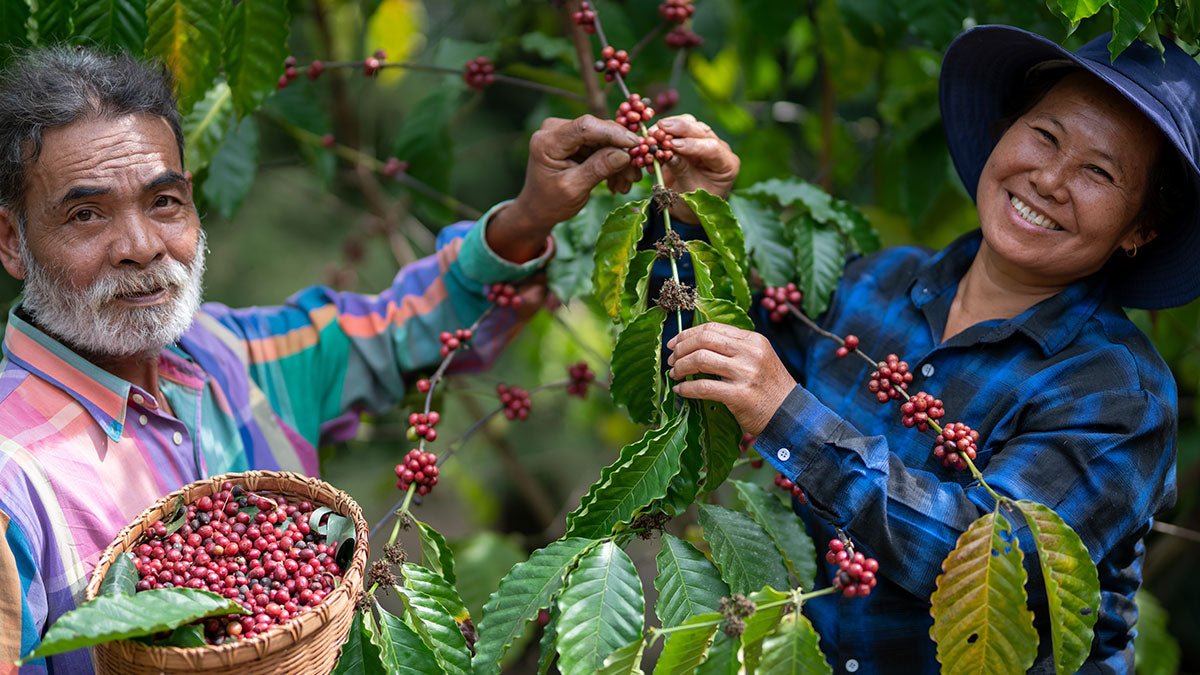
As coffee's trip developed, the focus shifted to the farming and harvesting of specific bean ranges, specifically those utilized for coffee. You'll discover that espresso beans typically come from Arabica or Robusta plants, each offering distinctive tastes. The optimal growing conditions include high altitudes and rich, well-drained soil, which improve the beans' quality.During the harvest, choosing approaches vary. In some regions, employees hand-pick ripe cherries, guaranteeing just the best fruit goes to processing. In various other locations, mechanical farmers are utilized, particularly on larger ranches. Timing is vital; you desire to harvest when the cherries get to peak perfection for maximum flavor.Once harvested, the beans are planned for handling, which is vital in identifying their final taste. Understanding the farming and collecting processes gives you understanding right into what goes right into your favored coffee, enhancing your admiration for every cup.
Processing Techniques: From Cherry to Bean
Since you have actually learnt more about harvesting coffee beans, allow's discover exactly how those cherries change right into the coffee beans you like. You'll see how different harvesting methods influence taste, complied with by the essential actions of fermentation and drying out. We'll damage down the milling and grading procedure that determines your coffee's high quality.
Gathering Methods Clarified
When it pertains to coffee, recognizing harvesting techniques is essential, because they directly affect the taste and high quality of the beans you enjoy. There are two main approaches: careful selecting and strip picking - Single Origin Espresso. Selective selecting entails hand-picking just ripe cherries, ensuring you obtain the best high quality beans. This method usually leads to a richer taste profile, though it's more labor-intensive. On the other hand, strip picking means harvesting all cherries simultaneously, no matter ripeness. While it's quicker and less expensive, this can cause a mix of tastes, influencing the end product. Ultimately, the option of gathering method can substantially influence your coffee experience, so it's worth recognizing how those beans made it to your cup
Fermentation and Drying
After harvesting, the next action in processing coffee beans play a significant duty in shaping their taste. You'll find that fermentation is important, as it assists break down the mucilage surrounding the beans, boosting their preference profile. Depending on the technique, this process can last from a couple of hours to a number of days, with differing outcomes based on temperature level and humidity.Once fermentation is total, drying out adheres to, which is similarly vital. You can pick from mechanical or sun-drying drying out methods. Sun-drying allows the beans to take in tastes from the atmosphere, while mechanical drying out guarantees consistent dampness levels no matter of weather. Proper drying is important to stop mold and mildew and preserve the beans' quality, ultimately influencing your mug of coffee.
Milling and Grading Process
As fermentation and drying established the phase for taste advancement, the milling and grading procedure guarantees that only the very best coffee beans make it to your mug. This phase involves eliminating the outer layers of the coffee cherry, including the parchment and husk. After milling, the beans are sorted by size and weight, guaranteeing a consistent high quality. You'll find that grading aids identify defects and categorize beans, which affects taste and scent. High-quality beans receive a greater grade, causing a richer coffee experience. Once graded, the beans are ready for packaging and shipping, protecting their distinct qualities. This meticulous procedure is necessary for supplying the phenomenal preference you enjoy in every sip of your favored brew.
Toasting Methods: Opening Taste Prospective
When you roast coffee beans, the method you choose can drastically affect the taste account. Recognizing the partnership in between time, temperature, and roasting techniques is key to exposing the potential of your brew. Allow's explore how these elements come together to develop the ideal cup.
Toasting Techniques Explained
While you could believe that all coffee roasting techniques yield the very same results, the fact is that each method exposes unique flavor potentials in the beans. You can pick between methods like drum roasting, air roasting, or perhaps conventional pan roasting. Drum toasting uses a rotating drum to uniformly disperse warmth, improving caramelization and producing a balanced flavor. Air roasting, on the various other hand, flows warm air around the beans, advertising a lighter roast with pronounced level of acidity. Frying pan toasting permits hands-on control but calls for continuous interest to avoid burning. Each approach has its subtleties, so exploring with various methods can help you find the perfect roast that straightens with your taste choices. Appreciate the journey of discovering your perfect cup!
Effect On Taste Account
Various roasting techniques not just influence the process however also considerably affect the flavor account of the coffee beans. When you choose a light roast, you'll experience bright level of acidity and floral notes, showcasing the bean's origin. On the other hand, a tool roast equilibriums acidity with sweetness, commonly exposing chocolatey touches. Dark roasts, on the various other hand, draw out strong, smoky tastes, sometimes covering up the bean's one-of-a-kind attributes. Each strategy reveals different oils and substances, resulting in a vast array of flavors. By try out numerous toasting designs, you can uncover which profiles reverberate with your palate. Understanding these subtleties assists you appreciate the creativity behind your click here for more mug of coffee, improving your overall experience with every visit their website sip.
Time and Temperature Level Elements
To launch the complete flavor capacity of coffee beans, both time and temperature level during the roasting process play considerable functions. When toasting, you'll discover that greater temperature levels can promptly create tastes, yet if you hurry it, you could end up with burned notes. On the other hand, reduced temperature levels enable an extra gradual flavor growth, showcasing the beans' special characteristics.Timing is equally as important; expanding the roast also long can result in a loss of acidity and illumination, while as well brief a roast might leave the beans underdeveloped. Finding that sweet area needs practice and trial and error. By readjusting these variables, you can disclose the abundant, complex tastes concealed within each bean, creating an absolutely exceptional coffee experience.
The Art of Blending: Crafting Unique Coffee Profiles
You expose a world of special tastes and fragrances that can raise your everyday mixture when you discover the art of mixing coffee. Mixing isn't almost blending beans; it has to do with developing harmony. By incorporating different origins, roast levels, and handling approaches, you can craft a mug that balances level of acidity, sweetness, and body.Start by picking a base coffee that offers a strong foundation. Then, choose corresponding beans to enhance details taste notes. As an example, a brilliant Ethiopian bean can bring fruitiness, while a rich Brazilian coffee includes body. Experimentation is key-- don't be afraid to readjust ratios till you locate your suitable profile.As you mix, keep in mind that each mix informs a tale. You're not just making coffee; you're developing an experience. Take your time, preference frequently, and enjoy the journey of uncovering your trademark blend.
Developing Techniques: Exactly How Preparation Influences Flavor
Blending coffee opens a domain name of taste possibilities, but exactly how you make that mix can considerably affect your last cup. Different developing methods extract one-of-a-kind tastes and scents, so it's crucial to choose carefully. For example, a French press permits debris and oils to remain, producing a rich, full-bodied experience. On the various other hand, a pour-over highlights the coffee's clarity and illumination, excellent for showcasing delicate notes.Espresso, with its high pressure, produces a concentrated shot that emphasizes sweetness and crema. If you choose a lighter brew, consider a cool brew method; it produces a smooth, less acidic taste.Ultimately, trial and error is essential. Readjusting variables like water temperature level, grind dimension, and brew time can transform your coffee's profile. Accept the art of developing to discover the flavors concealed in your coffee blends. The right method can elevate your experience to brand-new elevations.

The Future of Coffee: Sustainability and Development
As the coffee sector develops, sustainability and technology are ending up being crucial for dealing with environmental challenges and conference customer demands. You'll observe that more coffee business are taking on environmentally friendly techniques, from sourcing beans ethically to carrying out sustainable farming strategies. These changes not just assist the planet however likewise improve the quality of the coffee you enjoy.You could see advancements like biodegradable product packaging and water-saving brewing approaches that lower waste. Advanced modern technology, such as blockchain, is additionally becoming prominent, ensuring openness in the supply chain, which permits you to trace your coffee back to its origins.In enhancement, purchasing neighborhood neighborhoods and supporting farmers with reasonable profession initiatives promotes an extra lasting coffee ecosystem. As you sip your next mug, bear in mind that your selections can add to a brighter future for coffee. By choosing lasting brand names, you're not just delighting in a drink; you're making a positive influence on the globe.
Often Asked Concerns
What Is the Difference In Between Arabica and Robusta Beans?
Arabica beans are smoother, sweeter, and have a greater level of acidity, while robusta beans are stronger, more bitter, and consist of more caffeine. You'll discover these distinctions in taste and fragrance pop over to this site when making your coffee.
Just How Does Elevation Affect Coffee Bean Flavor?
Altitude influences coffee bean flavor significantly. Higher elevations generate beans with brighter level of acidity and facility flavors, while reduced elevations usually produce beans that are much heavier and much less nuanced. You'll discover these distinctions in your mug!
What Are the Health And Wellness Benefits of Alcohol Consumption Coffee?
Drinking coffee can improve your energy, enhance mental focus, and even improve physical efficiency. It's abundant in antioxidants, might reduce the risk of particular illness, and can promote a healthier metabolism when consumed in moderation.
Can Coffee Beans Be Recycled for Brewing?
Yes, you can recycle coffee beans for developing, yet the taste may be weak. If you delight in trying out, attempt reusing them in various methods, like chilly mixtures or adding to shakes for an extra kick.
How Should I Shop Coffee Beans for Quality?
To keep your coffee beans fresh, keep them in an airtight container in a great, dark place. Prevent revealing them to dampness, light, or heat, as these factors can quickly deteriorate their flavor and fragrance. Now that you've discovered concerning harvesting coffee beans, allow's explore how those cherries change right into the coffee beans you love. When you roast coffee beans, the approach you select can significantly affect the taste profile. While you could think that all coffee toasting methods generate the very same outcomes, the reality is that each technique reveals special flavor possibilities in the beans. Various roasting techniques not only influence the procedure however additionally significantly influence the flavor account of the coffee beans. Advanced technology, such as blockchain, is additionally ending up being popular, making sure transparency in the supply chain, which permits you to trace your coffee back to its origins.In addition, spending in regional communities and sustaining farmers through reasonable trade campaigns cultivates a more sustainable coffee ecosystem.